

Safety First: Preparing Your System for Maintenance
Before beginning any hvac maintenance work, safety must be your top priority. Start by turning off power to your air conditioning system at both the thermostat and the electrical disconnect box located near the outdoor unit. This dual shutoff ensures no electrical current can reach the system while you work. Locate the disconnect box, typically mounted on the exterior wall within a few feet of the condenser, and pull the disconnect block or flip the breaker to the off position.
In Louisiana’s intense summer heat, AC systems often run continuously for months, accumulating dust, pollen, and organic debris at accelerated rates compared to cooler climates. The combination of high humidity and temperatures creates an environment where mold and mildew can develop inside units if regular cleaning is neglected. Gathering the right tools before you start will make the process more efficient: a shop vacuum with attachments, soft-bristle brush, fin comb, garden hose with spray nozzle, screwdriver set, and a commercial coil cleaner approved for residential systems.
Check your manufacturer’s manual for any system-specific requirements before proceeding. Different models may have unique access points or maintenance recommendations. With power disconnected and tools assembled, you are ready to begin the cleaning process that will restore efficiency and extend the life of your cooling system.
Replacing and Cleaning Air Filters
Air filters represent the most critical component in routine air conditioning service and the simplest element for homeowners to maintain themselves. Filters trap airborne particles before they enter your system, protecting internal components while improving indoor air quality. In Louisiana, where pollen counts surge in spring and humidity remains high year-round, filters become clogged more quickly than in drier regions. Most systems require filter replacement every 30 to 60 days during peak cooling season, rather than the 90-day interval common in moderate climates.
Locate your filter by checking the return air duct, typically found in a hallway, utility room, or at the air handler itself. Remove the access panel and slide out the existing filter, noting the directional arrows printed on the frame that indicate proper airflow direction. Hold the filter up to a light source; if you cannot see light passing through clearly, replacement is overdue. For reusable filters, vacuum both sides thoroughly using a soft brush attachment, then rinse with water if the manufacturer permits. Allow reusable filters to dry completely before reinstalling, as moisture can encourage microbial growth.
When installing a new filter, ensure the arrows point toward the blower motor, following the direction of airflow. A backwards filter reduces efficiency significantly and allows particles to bypass filtration entirely. Mark your calendar or set a phone reminder for the next replacement date. Consistent filter maintenance reduces strain on your hvac system, lowers energy bills, and maintains the air quality your family depends on throughout Louisiana’s long cooling season.
Cleaning the Condenser Coils and Fins
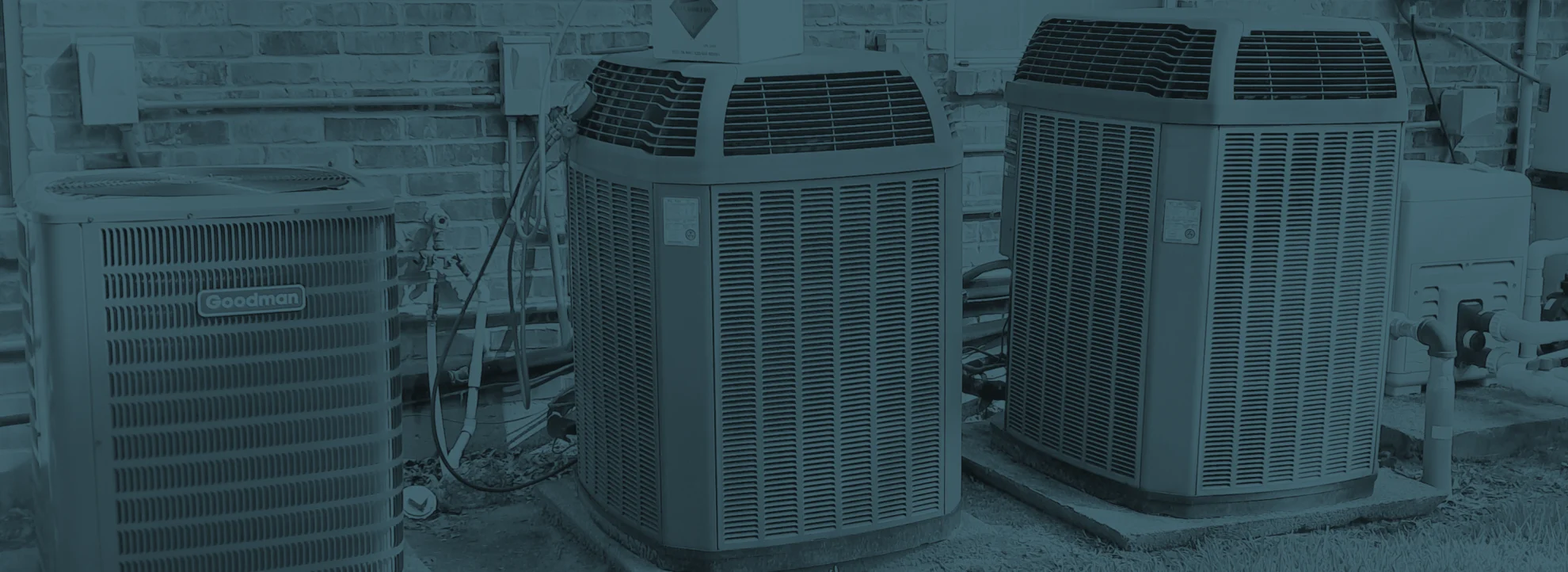
The outdoor condenser unit works harder than almost any appliance in a Louisiana home, running for thousands of hours annually in temperatures that regularly exceed 90 degrees with oppressive humidity. The aluminum fins and copper coils that dissipate heat become coated with dirt, grass clippings, cottonwood seeds, and the fine dust that settles during dry spells. This buildup acts as insulation, forcing your system to work harder and consume more electricity to achieve the same cooling effect.
Begin by removing the protective grille or top panel from your condenser unit, typically secured with screws or bolts. Clear away any leaves, twigs, or debris from inside the unit using your hands or a shop vacuum. Inspect the fins carefully; these thin aluminum strips bend easily and must remain straight to allow proper airflow. If you notice bent sections, carefully straighten them using a fin comb, available at any hardware store. Work gently, as the fins tear if you apply excessive force.
Spray the coils from the inside out using a garden hose with moderate pressure, never a pressure washer that can damage fins and coils. For heavily soiled coils, apply a commercial coil cleaner according to package directions, allowing it to sit for the recommended time before rinsing thoroughly. The coil cleaner dissolves organic matter and oxidation that water alone cannot remove. After cleaning, check that the unit drains freely and reinstall the protective panels. This straightforward hvac maintenance task, performed twice yearly in spring and fall, can improve efficiency by 15 percent or more, translating directly to lower utility bills during the peak summer months when every degree of cooling capacity matters.
Inspecting and Straightening Condenser Fins
The condensate drain line removes the gallons of moisture your AC system extracts from Louisiana’s humid air each day. During summer, a properly functioning system can produce 10 to 20 gallons of condensate daily. This constant flow of water through a dark, enclosed pipe creates ideal conditions for algae, mold, and bacterial growth that eventually blocks the line completely. When the drain clogs, water backs up into the drip pan, triggering a safety switch that shuts down your system to prevent water damage, leaving you without cooling until the problem is resolved.
Locate the condensate drain line, usually a white PVC pipe running from your indoor air handler to the outdoors or a nearby floor drain. Find the access point, typically a T-shaped vent with a cap at the top. Remove the cap and inspect inside with a flashlight; you may see standing water or dark sludge. Pour a cup of distilled white vinegar or a commercial condensate line treatment down the access point. The vinegar dissolves organic buildup and kills microorganisms without the harsh chemicals that can damage PVC pipes over time.
After treating the line, use a wet-dry vacuum to suction out debris from the outdoor terminus of the drain pipe. Place the vacuum hose over the end of the pipe, creating a seal with your hand or duct tape, and run the vacuum for several minutes. You will often extract thick, dark sludge that would otherwise have blocked the line within weeks. Perform this preventive maintenance every three months during cooling season. For persistent clogs or if you notice recurring drainage problems, a heating service technician can flush the line with specialized equipment and verify that all safety switches function correctly, protecting your home from potential water damage while keeping your system running throughout the hottest months.
Recognizing When to Call for Professional HVAC Service
The delicate aluminum fins surrounding your condenser coils require careful attention during any hvac maintenance routine. These thin metal blades are designed to maximize airflow through the unit, but they bend easily under even minor pressure from lawn equipment, hail, or debris. In regions like Minden and surrounding areas where afternoon thunderstorms are common from May through September, hail damage can flatten entire sections of fins, drastically reducing system efficiency. Bent fins restrict airflow, forcing your compressor to work harder and consume more electricity while delivering less cooling.
Inspect the fins carefully after cleaning the coils. Use a flashlight to identify bent or crushed sections, paying particular attention to the sides facing prevailing winds or areas near landscaping where branches might make contact. A fin comb, available at any hardware store for under fifteen dollars, allows you to carefully straighten bent fins. Select the comb teeth that match your fin spacing, typically 10 to 15 fins per inch, and gently draw the tool through bent sections in straight vertical strokes. Work slowly and avoid applying excessive force, as the aluminum tears easily. Straightening even moderately damaged fins can improve airflow by 20 to 30 percent, translating directly into lower energy bills and better cooling performance. For severe damage affecting large sections, consider scheduling heating service evaluation before the cooling season begins to determine whether professional repair or replacement offers better value.
