

How Seasonal Temperature Swings Affect Your Equipment

How Seasonal Temperature Swings Affect Your Equipment
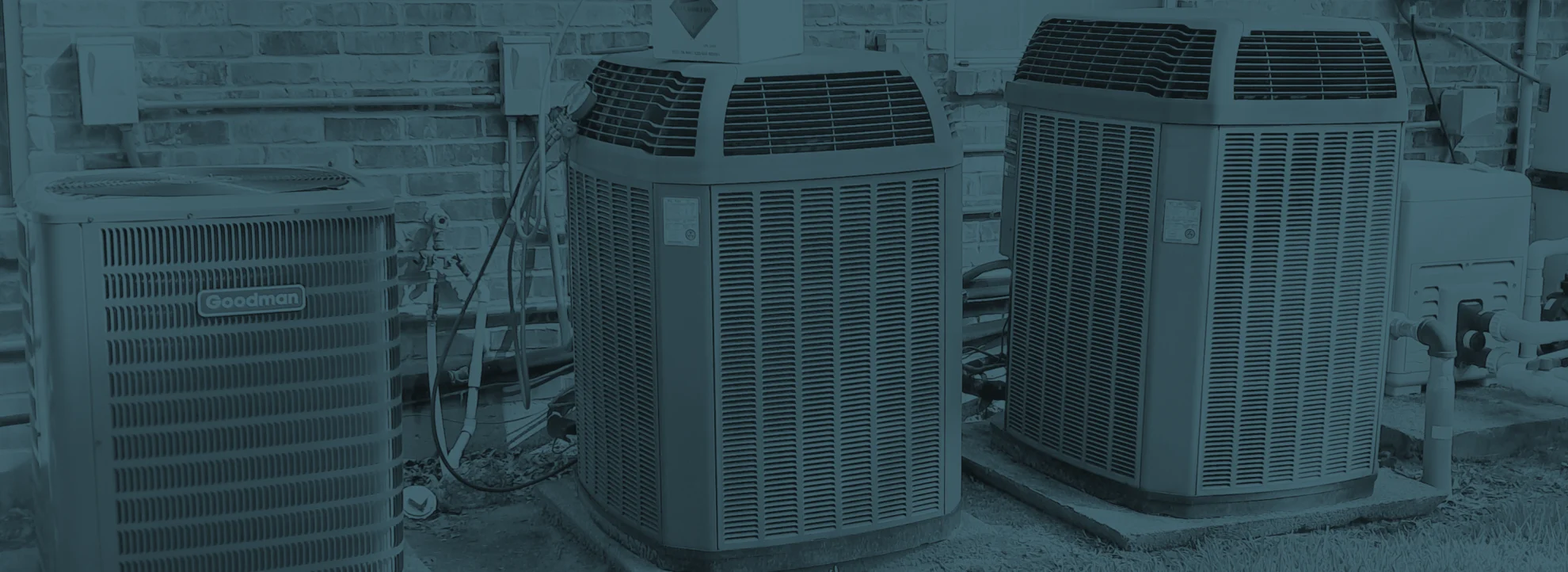
Porterville experiences a climate pattern that places unique demands on heating and cooling equipment throughout the year. Summer temperatures regularly climb into the upper 80s and low 90s, requiring air conditioning systems to operate consistently for extended periods. Winter months bring cooler conditions with occasional freezing temperatures that test heating equipment reliability. This seasonal variation means systems must transition smoothly between heating and cooling modes, maintaining efficiency across both temperature extremes. Humidity levels fluctuate throughout the year, affecting how equipment manages indoor comfort and moisture control. Spring and fall shoulder seasons present milder conditions but still require reliable system performance for unpredictable temperature shifts. Equipment installed in this region must handle the workload of both heating and cooling demands without compromising performance. Understanding these local climate characteristics helps homeowners make informed decisions about system maintenance schedules, equipment selection, and energy management strategies that align with actual usage patterns rather than generic recommendations.
Performance Issues That Shouldn’t Be Ignored
Your heating and cooling equipment communicates problems through specific performance changes that indicate developing issues. Unusual sounds like grinding, squealing, or banging suggest mechanical components require immediate inspection to prevent further damage. Inconsistent temperatures between rooms signal airflow restrictions, ductwork problems, or equipment capacity issues that affect overall comfort. Rising utility bills without corresponding usage increases often reflect declining system efficiency from worn components, refrigerant loss, or calibration problems. Frequent cycling where equipment turns on and off repeatedly indicates thermostat malfunctions, improper sizing, or control system failures. Moisture accumulation around equipment or unusual odors point to drainage blockages, mold growth, or electrical concerns requiring prompt resolution. Reduced airflow from registers suggests filter saturation, duct obstructions, or blower motor deterioration. Extended run times without achieving desired temperatures reveal capacity limitations or performance degradation. Recognizing these warning signs early allows for timely intervention that prevents minor issues from escalating into costly emergency repairs or complete system failures during peak usage seasons when you depend on reliable climate control most.
Making Smart Investment Decisions About Your System
Deciding when to replace aging equipment rather than continue repairs requires evaluating multiple factors that affect long-term costs and comfort. Systems approaching 12 to 15 years old typically face declining efficiency, increased breakdown frequency, and rising repair expenses that make replacement financially advantageous. Repair costs exceeding 50 percent of replacement value signal that investment in new equipment delivers better value than maintaining failing components. Modern systems offer significantly improved energy efficiency ratings that reduce monthly operating costs by 20 to 40 percent compared to older models. Availability of replacement parts for discontinued equipment becomes problematic as manufacturers phase out support for aging systems. New installations include updated warranties providing coverage and protection that older repaired systems lack. Advanced features like variable speed operation, smart thermostat compatibility, and improved humidity control enhance comfort beyond what older equipment provides. Financing options and utility rebate programs can offset initial investment costs making upgrades more accessible. Proactive replacement during moderate weather avoids emergency situations during temperature extremes when equipment fails unexpectedly. Evaluating total cost of ownership over the next five to seven years reveals whether continued repairs or strategic replacement serves your financial interests and comfort needs better.
Essential Care That Protects Your Investment
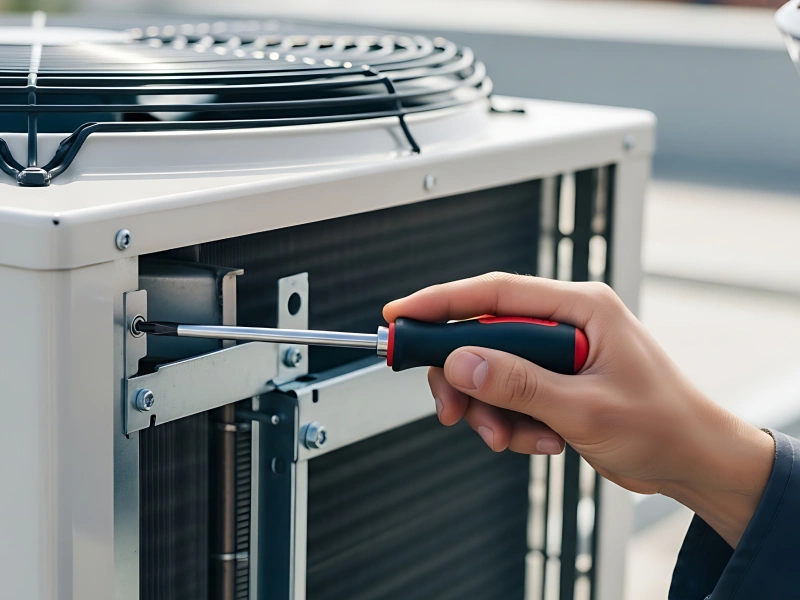
Regular maintenance preserves equipment performance, prevents unexpected breakdowns, and maximizes the return on your system investment. Seasonal tune-ups before peak usage periods ensure reliable operation when you need climate control most during temperature extremes. Filter changes every one to three months depending on usage and household conditions maintain proper airflow and protect internal components from contamination. Coil cleaning removes accumulated debris that restricts heat transfer and forces equipment to work harder consuming additional energy. Refrigerant level verification ensures optimal cooling capacity and prevents compressor damage from improper charge levels. Electrical connection inspection identifies loose terminals and worn components before they cause system failures or safety hazards. Condensate drain clearing prevents water damage and maintains proper humidity control throughout your living spaces. Thermostat calibration confirms accurate temperature readings and proper system response to comfort demands. Blower motor lubrication and belt inspection maintain efficient air delivery throughout your ductwork. Professional technicians identify developing problems during routine service calls allowing for planned repairs that cost less than emergency interventions. Documented maintenance history supports warranty claims and demonstrates proper system care that extends equipment lifespan. Porterville homeowners who prioritize consistent maintenance enjoy lower operating costs, fewer unexpected repairs, and reliable comfort throughout both heating and cooling seasons.
Professional Support for Your Climate Control Needs
Choosing qualified professionals for heating and cooling services ensures proper installation, reliable repairs, and effective maintenance that protects your equipment investment. Day Air Conditioning & Heating brings extensive experience serving the Minden and Bossier City areas, including Porterville, with a thorough understanding of local climate demands and regional equipment requirements. Their technicians receive ongoing training on current equipment technologies, installation best practices, and troubleshooting techniques that deliver lasting solutions. Whether you need system installation, seasonal maintenance, emergency repairs, or equipment upgrades, their team provides prompt response and quality workmanship. They offer transparent pricing, detailed explanations of recommended services, and options that fit various budgets and comfort priorities. Their familiarity with both residential and commercial applications means they handle projects of all sizes with the same attention to detail and professional standards. Porterville property owners benefit from working with a local provider who understands regional weather patterns, common system challenges, and practical solutions that perform reliably year after year. When you need dependable climate control services backed by experience and commitment to customer satisfaction, their team stands ready to help with all your heating and cooling requirements.
