

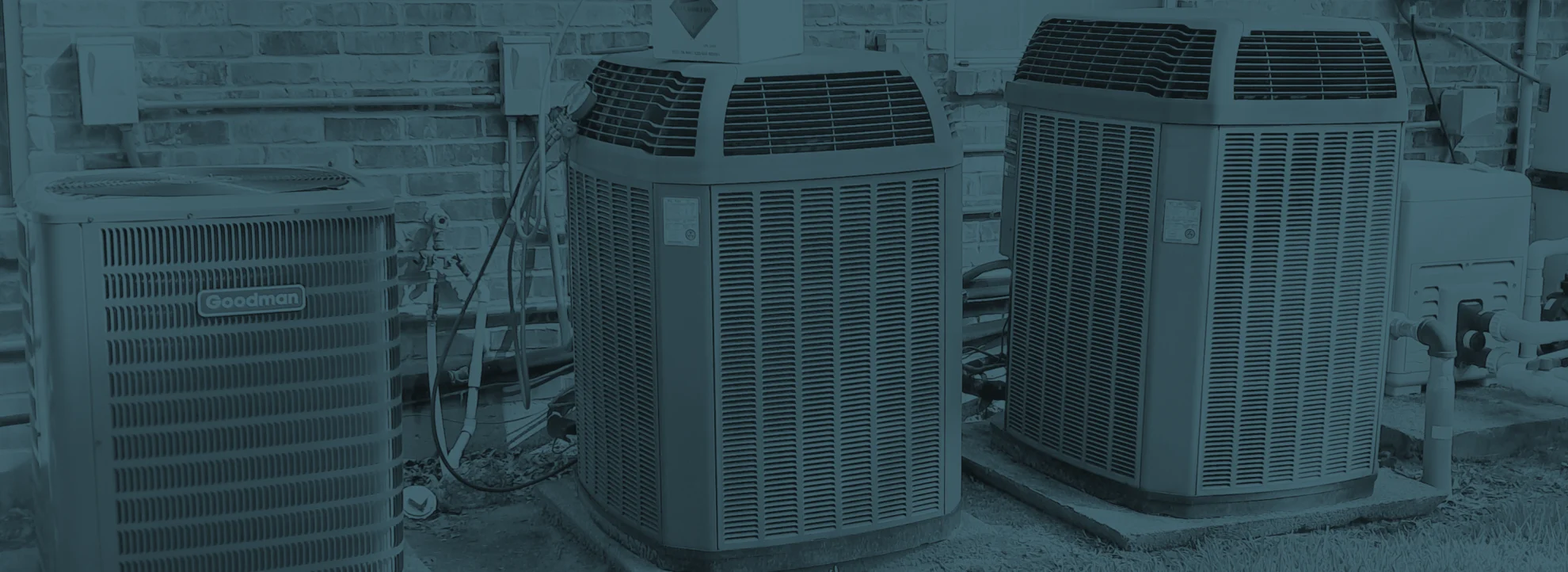
Signs Your Air Conditioning Needs Repair and How to Fix It Fast
A properly functioning air conditioning unit keeps your home cool and comfortable, especially during hot summer months. But when something goes wrong, recognizing the signs your air conditioning needs repair early can save you money, prevent damage, and restore comfort quickly. This guide explains common warning signs, shares practical air conditioning repair tips, and provides guidance on how to repair AC safely, whether you want to try DIY solutions or know when to call a professional.

1. Weak or Insufficient Airflow
One of the most noticeable signs your air conditioning needs repair is weak airflow:
- Symptoms: Reduced airflow from vents, uneven cooling, or rooms that stay warmer than others.
- Common Causes: Clogged air filters, blocked vents, or a failing blower motor.
- How to Fix: Start by replacing or cleaning filters, clearing debris from vents, and checking the blower fan.
Weak airflow can lead to inefficient cooling and higher energy bills if left unaddressed.
2. Warm Air Coming From Vents
If your AC is blowing warm air, it’s a clear indication that something is wrong:
- Symptoms: Rooms don’t cool properly, and the system struggles to maintain set temperatures.
- Common Causes: Low refrigerant levels, compressor issues, or frozen coils.
- How to Fix: Check for ice buildup on coils, ensure refrigerant levels are adequate, and inspect the compressor. Professional help may be required for refrigerant handling.
Addressing warm air issues quickly prevents further damage to the AC unit.
3. Unusual Noises
Noisy AC units are a common sign of trouble:
- Symptoms: Grinding, squealing, banging, or rattling sounds.
- Common Causes: Loose components, worn belts, failing motors, or debris inside the unit.
- How to Fix: Inspect the unit for loose screws, clean debris from the outdoor condenser, and lubricate moving parts. Persistent unusual noises often require professional servicing.
Listening closely to your AC can help catch problems early before they escalate.
4. Frequent Cycling
If your AC is turning on and off more often than usual, it may indicate a problem:
- Symptoms: The system frequently cycles between cooling and idle phases without maintaining a consistent temperature.
- Common Causes: Thermostat issues, clogged air filters, or refrigerant imbalances.
- How to Fix: Replace or calibrate the thermostat, clean filters, and ensure refrigerant levels are correct. Frequent cycling can strain your system and increase energy costs.
5. Rising Energy Bills
A sudden spike in energy bills is often a hidden sign your air conditioning needs repair:
- Symptoms: Monthly energy costs increase without a clear reason.
- Common Causes: Inefficient components, clogged filters, or refrigerant leaks forcing the system to work harder.
- How to Fix: Perform routine maintenance like cleaning filters, checking ductwork for leaks, and servicing mechanical components.
Energy efficiency drops when the AC struggles, so early detection helps both comfort and savings.
6. Water Leaks or Moisture Around the Unit
Excess water or moisture is another red flag:
- Symptoms: Puddles near the indoor AC unit or dripping from the outdoor condenser.
- Common Causes: Blocked condensate drain lines, frozen coils, or refrigerant leaks.
- How to Fix: Clear clogged drain lines, check for ice buildup, and inspect for refrigerant leaks. Persistent leaks should be evaluated by a professional.
Preventing water damage around your AC is critical for home safety.
7. Foul or Strange Odors
Odd smells from vents are more than unpleasant; they signal a problem:
- Symptoms: Musty, burning, or chemical odors when the AC runs.
- Common Causes: Mold or mildew in ductwork, electrical issues, or refrigerant leaks.
- How to Fix: Clean ducts and replace filters, and inspect electrical components. For persistent odors, call a professional to inspect refrigerant lines and internal parts.
Detecting odor issues early prevents health risks and ensures clean, safe airflow.
8. Air Conditioning Repair Tips You Can Try at Home
For minor issues, here are practical air conditioning repair tips:
- Clean or Replace Filters: Regularly changing filters improves airflow and efficiency.
- Clear Debris: Remove leaves or dirt from the outdoor condenser.
- Check Thermostat Settings: Ensure the thermostat is working correctly and at an appropriate temperature.
- Inspect Ductwork: Look for visible leaks, disconnected vents, or damaged insulation.
- Monitor Refrigerant Levels: While handling refrigerants usually requires professionals, noticing signs like frost on coils can help you know when to call an expert.
These tips help maintain your AC and prevent minor issues from turning into major repairs.
9. When to Call a Professional
Some problems require trained technicians:
- Refrigerant Handling: Low or leaking refrigerant should only be addressed by certified professionals.
- Electrical Issues: Frequent tripping breakers or burning smells require expert attention.
- Compressor Problems: Faulty compressors can cause costly damage if DIY fixes are attempted.
- Persistent or Unidentified Issues: If problems continue after basic maintenance, professional inspection is necessary.
Knowing when to call ensures safety, proper repair, and prevents further damage.
10. Preventive Maintenance Tips
Regular maintenance reduces the likelihood of signs your air conditioning needs repair appearing:
- Schedule Annual Inspections: Professional servicing keeps components in top condition.
- Clean Filters Monthly: Improves airflow and reduces strain on the system.
- Keep Outdoor Unit Clear: Trim plants and debris around the condenser.
- Monitor System Performance: Note changes in cooling efficiency, noises, or energy bills.
- Lubricate Moving Parts: Reduces wear and extends unit lifespan.
Preventive care saves money, prolongs equipment life, and keeps your home comfortable.
Final Thoughts
Recognizing the signs your air conditioning needs repair is crucial for home comfort, energy efficiency, and preventing costly breakdowns. From weak airflow and warm air to unusual noises and rising energy bills, early detection allows for faster resolution. Following practical air conditioning repair tips and understanding how to repair AC safely ensures you can handle minor issues at home while knowing when professional help is needed. Routine maintenance and vigilance keep your AC running efficiently, restoring comfort quickly and extending the life of your system.
Notice any warning signs in your AC, call us at (318) 349-9723. Use these repair tips or call a professional today to restore comfort and prevent costly damage.
